
What do I need to know before I book?
Start with headcount and duration. A construction crew of 15 needs just one standard unit under OSHA 1926.51(c), but that ratio climbs fast once you cross 20 workers, adding a toilet seat and urinal for every 40 after that. Events run differently: the event use case formula leans on guest count and hours, not crew size. Next, nail down duration. A single day rental suits a one-off job walk, while a monthly rental fits a framing crew working Olympia through the winter. Check your rental cost against the job length before you commit, because pricing moves in the opposite direction you'd expect: longer terms cost less per day, not more. If your site has female workers, mixed trades, or public foot traffic, look at a deluxe flushable unit instead of a bare-bones porta john. And if anyone on site or at your event has a mobility limitation, that changes your whole order.
How do I plan for ADA access?
Under ADA Standards section 213.2, any cluster of single-user portable toilets needs at least 5 percent accessible units, and never fewer than one. So even a small bank of four or five units at an Olympia job site or wedding needs one ADA accessible unit in the mix. The unit itself has to meet real dimensions: a 60 inch turning circle under ADA 304.3.1, a 36 inch clear route per ADA 403.5.1, and a 32 inch door opening under ADA 404.2.3. Ground surface matters too. ADA 302.1 calls for stable, firm, slip-resistant footing, which rules out loose gravel or soft turf as a pad. Reach and grab bars fall under ADA 308.2.1 and 309.4, capping operable force at 5 pounds so anyone can work the latch. Read the full ADA restroom requirements page before your event date, not after the units show up. This step gets skipped more than any other on this checklist, and it's the one code enforcement actually checks at weddings and races.
Where should units go on site?
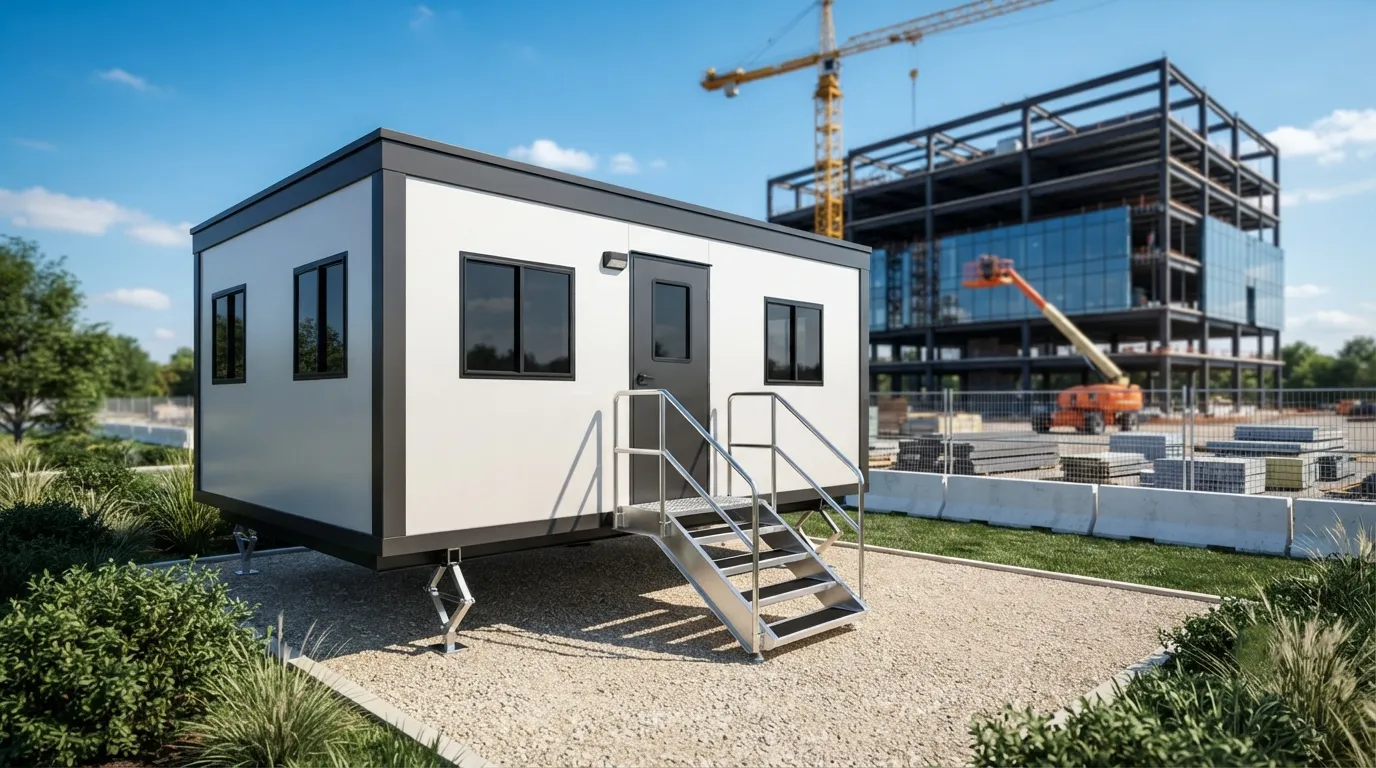
Placement decides half your headaches. A roll-off dumpster delivery needs about 60 feet of straight clearance behind the truck, and your porta potty delivery truck needs a similar clear shot, so walk your Olympia site beforehand and flag anything blocking that path: parked trailers, low branches, soft shoulders. Keep units on level, firm ground, not on a slope where the tank could shift. Stay off septic drain fields entirely. If you're placing anything in the public right of way, sidewalk, or street frontage in Olympia, that needs confirming with the city before delivery, since placement rules vary by location and this page can't state a blanket rule for you. The full placement guide walks through sun exposure, wind, and distance from food service. For jobs near Tumwater, 4.6 miles south, or Tanglewilde, 5.9 miles east, the same clearance and grade rules apply; distance from Olympia doesn't change the physics of a loaded pump truck. If you're fencing off a site alongside your units, coordinate temporary fence rental placement so the gate doesn't block the service door.
When should I schedule delivery and pickup?
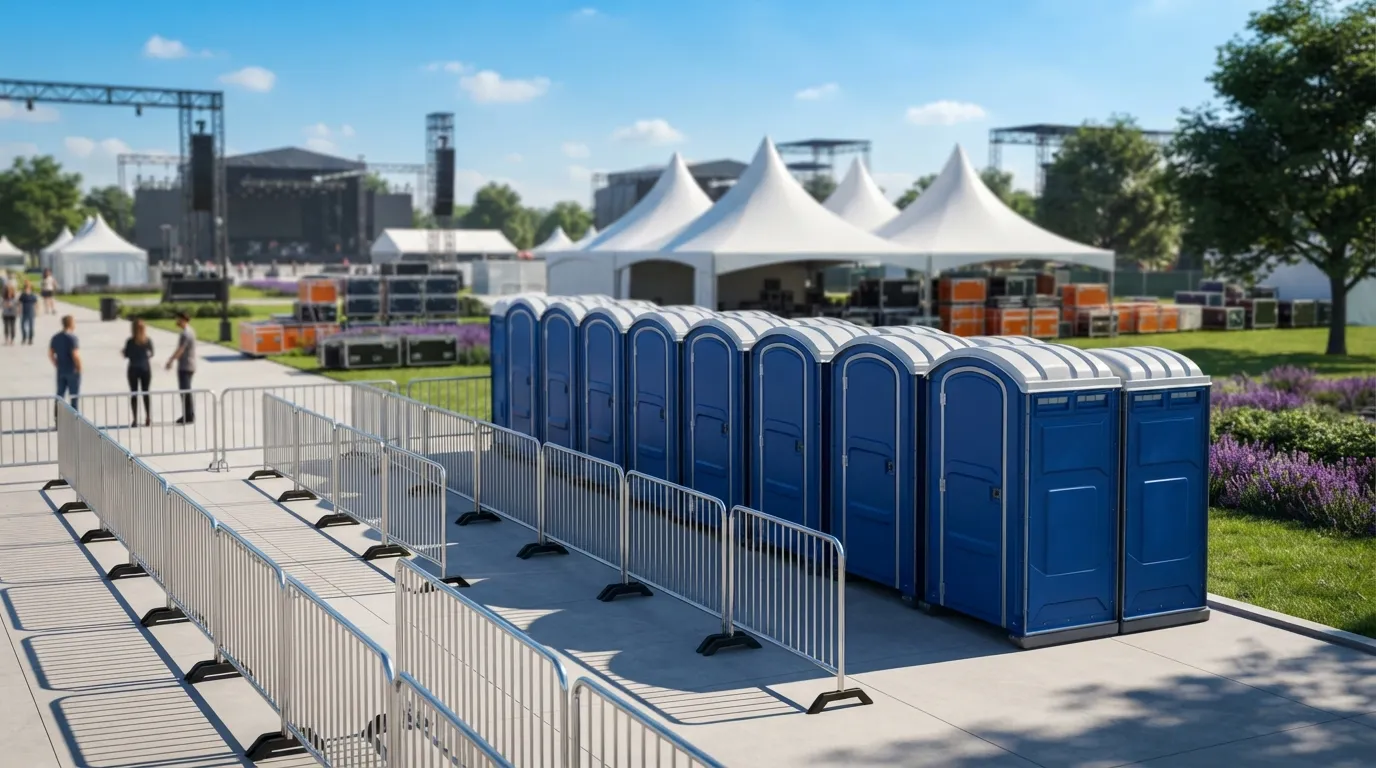
Book delivery for the afternoon before your event or the first work morning, and schedule pickup for the day after your last shift, never the same day. ANSI/PSAI Z4.3 sets a baseline service interval of once per week for up to 10 users across a 40 hour week, so a two-week construction site job with a small crew likely needs just one servicing between delivery and pickup. Larger crews or all-day events compress that interval. Washing facilities are a separate requirement from toilets. Where workers apply paints, coatings, herbicides or insecticides, OSHA 1926.51(f)(1) requires washing facilities on-site, and 29 CFR 1910.141(d)(2) requires actual soap and towels or a dryer, not hand sanitizer alone. Add a handwashing station or portable sink to your order if your crew fits that description. For weekend weddings or festivals, confirm your emergency porta potty contact in case a unit needs mid-event attention; a Saturday event in Olympia with no Sunday-morning contact is a common gap in otherwise solid planning.
| unit | day | week | month |
|---|---|---|---|
| standard | $100-$350 | $130-$500 | $125-$325 |
| ada | $200-$400 | $200-$240 | n/a |
| deluxe | $85-$1,200 | $150-$290 | n/a |
Delivery fees run $100-$500 for a single day and $120-$420 across a month, separate from the unit rate itself.
How many porta potties do I actually need?
Use the OSHA 1926.51(c) ratio as your floor: one unit per 20 workers, then add a seat and urinal per 40 workers above that. Events run on guest count and hours instead. See the full breakdown for exact ratios by event type and duration.
Do I need a permit for porta potties in Olympia?
Permit rules depend on placement, especially in the right of way, and that needs direct confirmation with the city rather than a blanket answer here. Check the permit requirements page and call ahead before locking in your site plan.
Can I add a restroom trailer instead of standard units?
Yes, and for weddings, corporate events, or crews wanting flushable fixtures, a restroom trailer beats a bank of standalone units. Options range from a 2 stall up to an 8 stall trailer depending on guest count.
What if I also need a dumpster on site?
Pair your restroom order with a 10 yard or 20 yard dumpster for construction debris. Check what cannot go in a dumpster before loading, since banned materials cause rejected pickups.
How far ahead should I book for a busy weekend?
Book 7 to 10 days out minimum for standard weekends, longer for graduation season or major Olympia events. Weekend rates for a standard unit run higher than weekday daily rates, so lock dates early through Olympia Porta Pros.
Next step
Get a delivery date
Tell us the address, the dates and the headcount. We size the order and confirm the route.